Image Source: Shutterstock
As of June 2026, there are more than 6.1 million battery electric passenger vehicles on the road in the United States. And while electric vehicles (EVs) have often been viewed as a luxury only available to some drivers, automakers have recently started to prioritize more affordable models, helping to open the EV market to more Americans. This shift could make EVs a more realistic option for a broader range of consumers, including drivers who may have different daily driving patterns and access to charging than early adopters. To encourage market expansion, charging infrastructure will need to be not only available to everyone, but also convenient for a broader range of drivers.
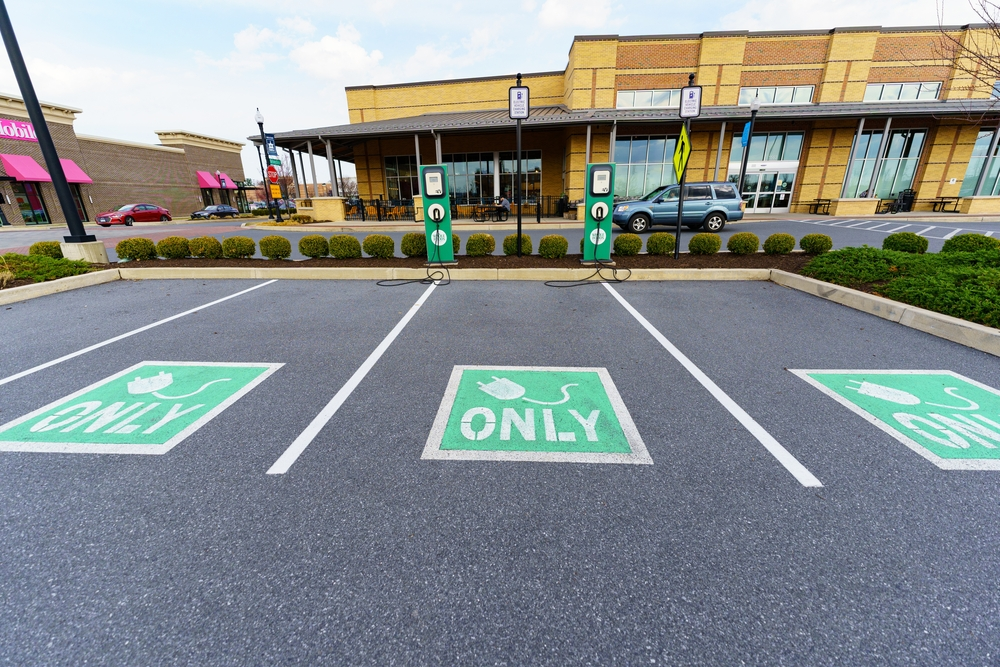
The conversation surrounding public charging infrastructure has largely been focused on expanding the nation’s network of en-route Direct Current Fast Chargers (DCFC), with the number of fast chargers more than doubling since 2023. This continued expansion is not going unnoticed by consumers, whose satisfaction with DCFCs rose by 12 points (on a 1,000-point scale) year-over-year, according to recent findings from JD Power. Fast charging networks are also exploring new ways to make fast charging fit more easily into drivers’ existing routines. EVgo, for example, recently announced that they would partner with Regency Centers, a nationwide site developer, to deploy more than 400 DCFCs at grocery store-anchored shopping plazas. The move represents a growing recognition that EV drivers want charging to be available in places where they already spend time, helping to drive adoption across the consumer base.
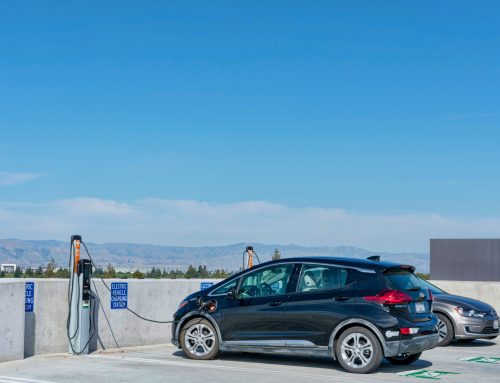
But charging at retail destinations only addresses part of the access challenge. Some drivers, including those who live in multifamily buildings or urban areas, lack designated off-street parking and private chargers to power their EV at home. These drivers are often rely on public Level 2 ports for routine charging, which may not always be accessible. The 2026 Annual EV Driver Survey from Plug In America found that more than 66 percent of respondents did not have a public Level 2 charger within walking distance of their home, a barrier for those who may need to charge their EV overnight.
New York City is working to remedy this challenge by adding 600 new curbside charging ports across all five boroughs in the next three years. The network will support charging for residents without off-street parking and for the city’s 78,000 rideshare fleet vehicles, which are required to electrify by 2030. New York City’s pilot program, which deployed 88 curbside chargers, was widely popular among EV drivers, with utilization rates surpassing 70 percent.
Together, these developments suggest that the next phase of charging deployment may be taking a different approach than the first. En-route charging remains essential for enabling long-distance travel, but adoption will also depend on building charging that aligns with everyday life, including at grocery stores, on city streets, and in other places where drivers already spend their time. As the EV market opens to new consumers, building a charging network that reflects their diverse needs will be essential to making electrification practical for everyone.