Image Source: Shutterstock
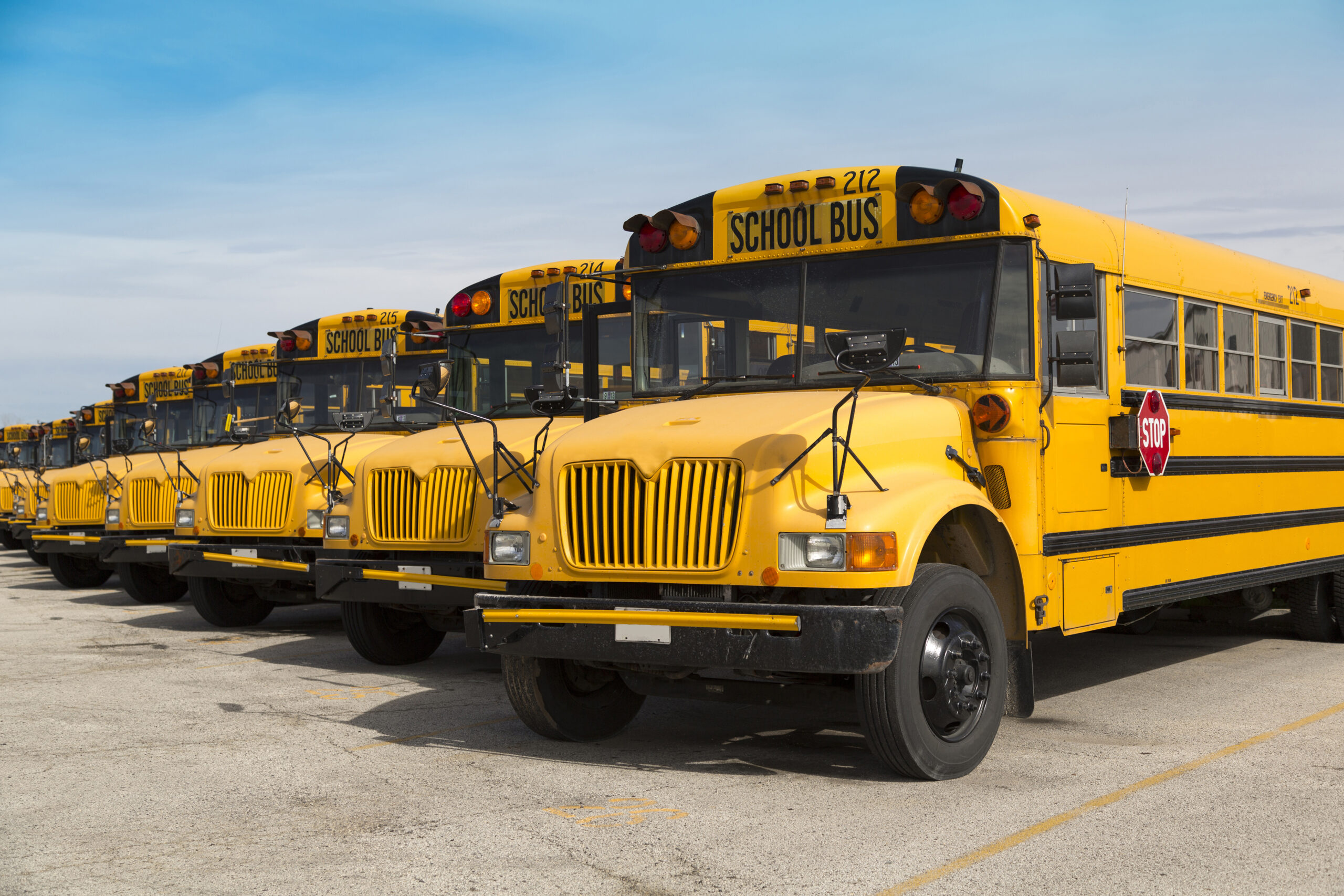
Across the country, students are returning to the classroom for the start of a new school year. And for more than 380,000 students this year, their daily commute to school will be aboard an electric bus. According to the World Resources Institute’s Electric School Bus Initiative, over 14,000 electric school buses (ESBs) have been awarded, committed, or placed into service across 49 states and the District of Columbia as of June 2026. Of those, more than 8,500 will be on the road this fall.
School buses are among the most fuel-intensive vehicle types on the road, making them a promising opportunity for emissions reduction. Compared to other heavy-duty vehicle segments, school buses travel relatively short distances each day, operate on predictable routes, and return to centralized depots where they can recharge between shifts, making them strong candidates for electrification. ESBs can help lower long-term fuel costs for school districts and cut greenhouse gas emissions, all while benefitting local communities. Because school buses idle for extended periods at drop-off and pick-up, they expose students to harmful pollutants that can contribute to or exacerbate childhood asthma and other health conditions. ESBs eliminate tailpipe emissions and provide a quieter, smoother ride than their diesel-powered counterparts.
Federal and state governments have recognized ESBs’ potential to unlock gains in the hard-to-electrify Class 7 and 8 vehicle market. Data from EV Hub tracks an estimated $4 billion in public funds that have been committed to school bus electrification by federal and state agencies since 2011. The Environmental Protection Agency (EPA)’s Clean School Bus (CSB) program, established by the Infrastructure Investment and Jobs Act of 2021, allocated $5 billion over five years to replace existing school buses with zero-emission and clean school buses. To date, the program has awarded roughly $2.6 billion across its rebate and grant funding opportunities, funding the replacement of over 8,000 school buses at more than 1,100 school districts nationwide. The awards cover all eligible clean-bus types, although approximately 95 percent of awards have gone towards zero-emission and battery-electric models.
The CSB program has helped schools surmount a critical barrier of high upfront costs for ESBs and charging infrastructure, kickstarting the transition to school bus electrification. Yet recent changes to the program under the Trump administration have left its status uncertain. In February 2026, EPA announced a “revamp” of the program that cancels the 2024 rebate round and expands eligibility beyond electric school buses to include natural gas, propane, hydrogen, and biofuels, with roughly $2.3 billion still unspent. Nevertheless, state agencies and local organizations are continuing to forge ahead on electrifying the sector. This summer, New Jersey opened Round 3 of its Electric School Bus Grant Program, which made $15 million available to school districts and bus contractors to replace diesel buses with ESBs and install associated chargers. In the Bronx, a transportation company teamed up with Con Edison and the New York State Energy Research and Development Authority to invest in 45 ESBs that will offer a healthier and more comfortable ride for 800 students with special needs.
These programs reflect the momentum behind school bus electrification, showing that states and local communities are increasingly committed to providing cleaner rides for students. As the new school year gets underway, EV Hub will continue monitoring how public funding materializes for ESBs—and translates into zero-emission rides to school for students.