Charging Infrastructure

High-Potential Regions for Electric Truck Deployments

2020-08-24T17:04:48-04:00

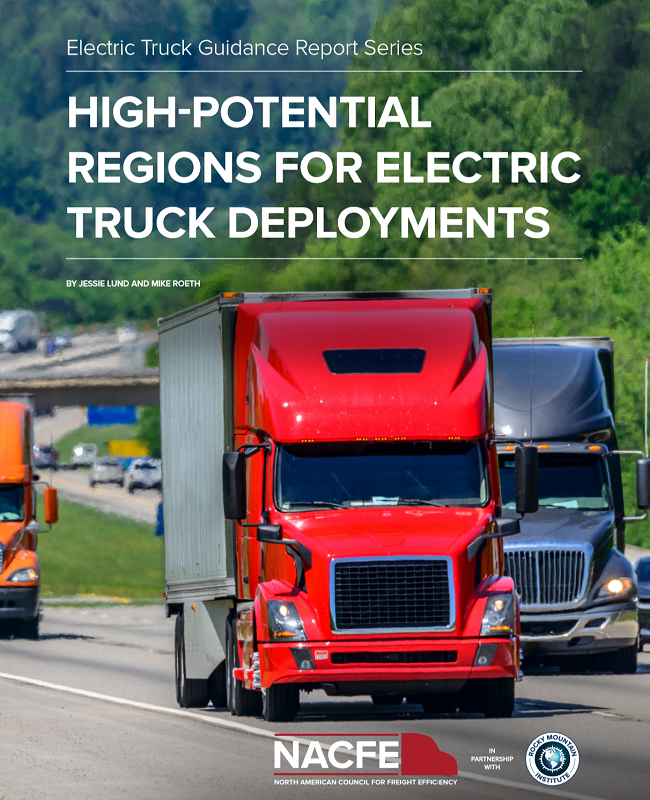
Regional haul, heavy-duty trucking operations are good candidates for electrification due to the segment’s relatively short-hauls and return-to-base operations. The Guidance Report proposes a three-part framework that the industry can use to prioritize regions for electric truck deployment.

High-Potential Regions for Electric Truck Deployments2020-08-24T17:04:48-04:00

EV Infrastructure Building Codes: Adoption Toolkit

2020-07-30T14:02:47-04:00

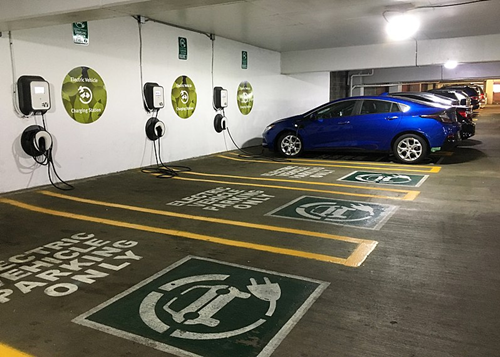
Once mandatory EV requirements are set in local code, the charging infrastructure automatically spreads throughout the community as neighborhoods grow and evolve, bringing down the cost of charger installations and allowing public and private investments to stretch further over a greater number of new EV charging stations.

EV Infrastructure Building Codes: Adoption Toolkit2020-07-30T14:02:47-04:00

Scaling Up Electric Vehicle Charging Infrastructure: Lessons from China and the United States for the Indian Context

2020-08-06T13:32:52-04:00

To expand India’s charging infrastructure, this report provides best practices from two of the largest EV markets – China and the United States – for the Indian context. This report aims to provide Indian policymakers and stakeholders with a review of the key challenges facing EV charging infrastructure markets in China and the United States.

Scaling Up Electric Vehicle Charging Infrastructure: Lessons from China and the United States for the Indian Context2020-08-06T13:32:52-04:00

Massachusetts School Fleets Get Answers through Electric Bus Testing

2021-02-17T10:20:38-05:00

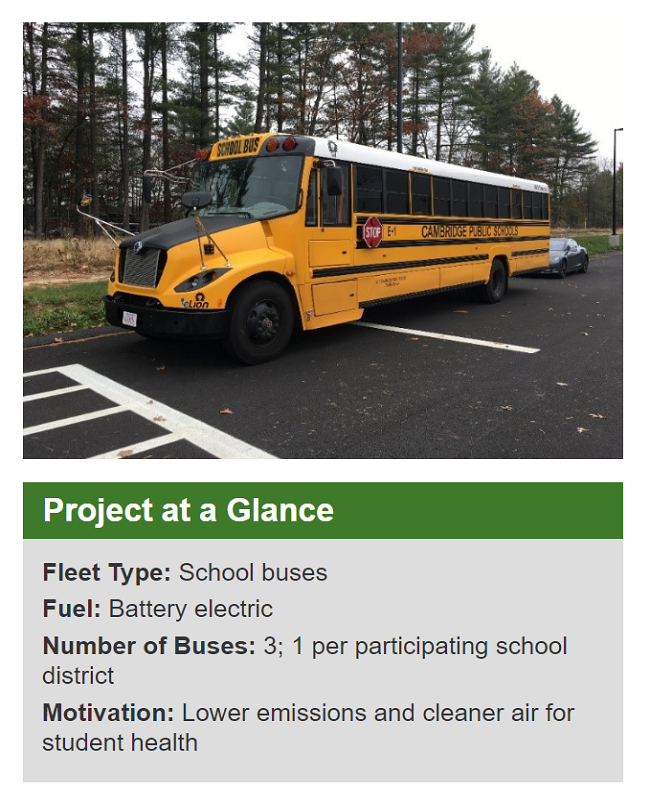
A $2 million pilot project, funded through the Regional Greenhouse Gas Initiative, allowed three school districts to purchase Type C electric school buses and Level 2 bidirectional vehicle-to-grid (V2G) charging stations to test the technology in cold weather environments in Massachusetts.

Massachusetts School Fleets Get Answers through Electric Bus Testing2021-02-17T10:20:38-05:00

Update on the global transition to electric vehicles through 2019

2020-08-25T07:03:36-04:00

This brief from the ICCT finds that continued policy support, as well as innovations in vehicle technology and progress in infrastructure build-out, will be needed to accelerate growth rates and ensure that the goals for full vehicle electrification are achieved.

Update on the global transition to electric vehicles through 20192020-08-25T07:03:36-04:00

The Road to Fleet Electrification

2020-05-20T15:03:32-04:00

To help fleet operators unlock the full benefits of fleet electrification, the California Trucking Association (CTA) and Ceres collaborated with the global research firm Navigant Research, a Guidehouse Company, to conduct a survey of companies with early fleet electrification projects.

The Road to Fleet Electrification2020-05-20T15:03:32-04:00

Best Practices for Commercial and Industrial EV Rates

2020-05-20T15:01:55-04:00

Traditional commercial and industrial (C&I) electricity rates can present a barrier to EV adoption by erasing the EV fuel cost savings relative to gasoline or diesel. This paper discusses strategies that can be used to design EV rates for the C&I sector that balance multiple objectives.

Best Practices for Commercial and Industrial EV Rates2020-05-20T15:01:55-04:00

Public EV Charging Business Models for Retail Site Hosts

2020-05-04T22:44:22-04:00

As the passenger electric vehicle market grows in the United States, public charging infrastructure has not kept pace, and this gap is expected to grow as EV prices drop and vehicles sales expand into new markets. Retailers are uniquely positioned to shrink the existing public charging infrastructure gap by installing EV charging stations at their store locations.

Public EV Charging Business Models for Retail Site Hosts2020-05-04T22:44:22-04:00