Financing the Transition: Unlocking Capital to Electrify Truck and Bus Fleets
Nicole Lepre2020-11-23T15:31:39-05:00Broader collaboration and a new generation of finance solutions are needed to achieve a zero-emissions future by 2050.
Broader collaboration and a new generation of finance solutions are needed to achieve a zero-emissions future by 2050.
This paper summarizes the new vehicle sales market for Class 2 through Class 8 heavy-duty truck and buses in the United States and Canada. In addition, it profiles the early market for zero-emission HDVs and provides a snapshot of the battery-electric and hydrogen fuel cell products available across different truck and bus segments.
This brief provides an overview of Florida’s EV market while also highlighting travel patterns and transit agency statistics for major metro regions.
This brief defines key indicators that outline the state of transportation electrification in Alabama, Florida, Georgia, North Carolina, South Carolina, and Tennessee (‘Southeast’).
This report examines recent trends in transportation electrification with a focus on EV-related filings by investor-owned electric utilities.
Up-front purchase price is only part of the cost consumers pay to own their vehicle.
Still raging its way around the world, COVID-19 delivered an unprecedented sucker punch to the automotive industry.
The transition to electric vehicles continues as governments increasingly develop and adopt policies to accelerate electric vehicle growth.
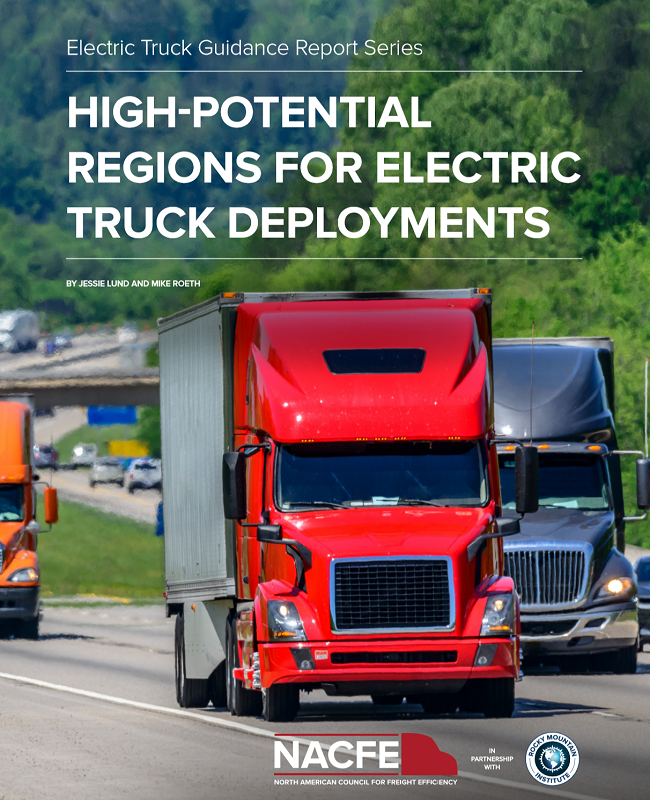
Regional haul, heavy-duty trucking operations are good candidates for electrification due to the segment’s relatively short-hauls and return-to-base operations. The Guidance Report proposes a three-part framework that the industry can use to prioritize regions for electric truck deployment.
In order to combat our climate crisis, improve air quality and public health, and improve our energy security, we must move transportation away from oil and toward an electric future.