Financing the Transition: Unlocking Capital to Electrify Truck and Bus Fleets
Nicole Lepre2020-11-23T15:31:39-05:00Broader collaboration and a new generation of finance solutions are needed to achieve a zero-emissions future by 2050.
Broader collaboration and a new generation of finance solutions are needed to achieve a zero-emissions future by 2050.
This paper summarizes the new vehicle sales market for Class 2 through Class 8 heavy-duty truck and buses in the United States and Canada. In addition, it profiles the early market for zero-emission HDVs and provides a snapshot of the battery-electric and hydrogen fuel cell products available across different truck and bus segments.
This report examines recent trends in transportation electrification with a focus on EV-related filings by investor-owned electric utilities.
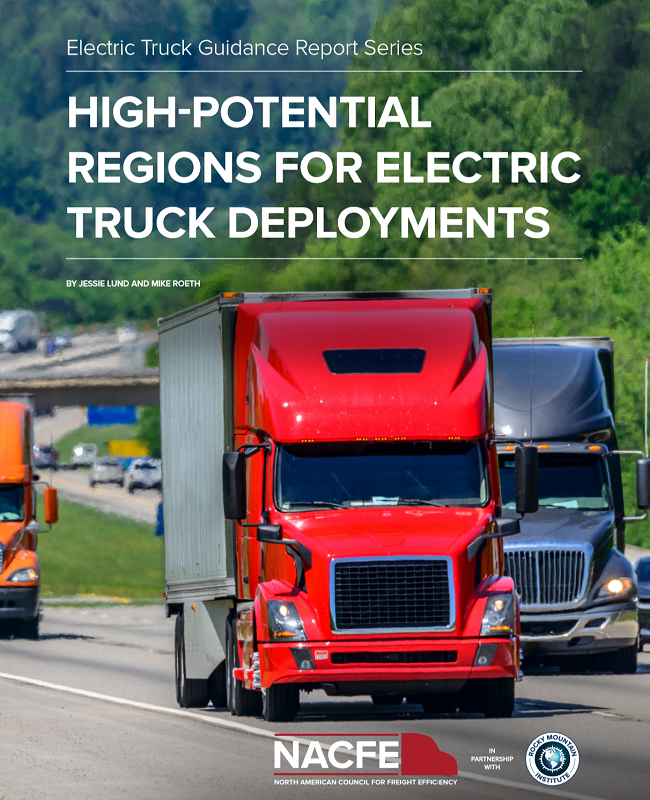
Regional haul, heavy-duty trucking operations are good candidates for electrification due to the segment’s relatively short-hauls and return-to-base operations. The Guidance Report proposes a three-part framework that the industry can use to prioritize regions for electric truck deployment.
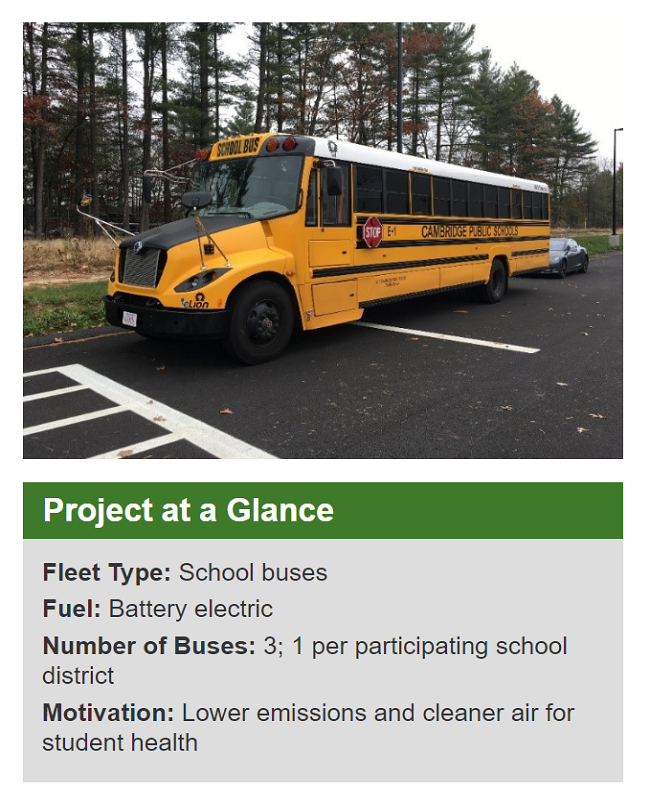
A $2 million pilot project, funded through the Regional Greenhouse Gas Initiative, allowed three school districts to purchase Type C electric school buses and Level 2 bidirectional vehicle-to-grid (V2G) charging stations to test the technology in cold weather environments in Massachusetts.
This brief from the ICCT finds that continued policy support, as well as innovations in vehicle technology and progress in infrastructure build-out, will be needed to accelerate growth rates and ensure that the goals for full vehicle electrification are achieved.
The California Air Resources Board (CARB) has proposed new zero-emission vehicle (ZEV) requirements through its Advanced Clean Trucks (ACT) proceeding. This report evaluates the proposed rule using the California Energy Policy Simulator (EPS).
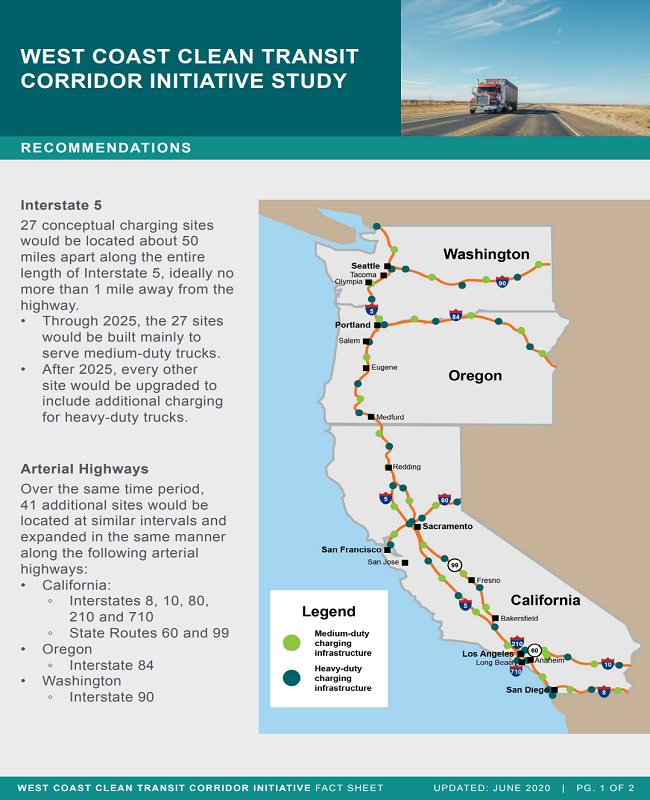
Electric utilities in three West Coast states have announced the results of a study that could lead to significant reductions of pollution from freight transportation up and down the Pacific Coast and create jobs in an economy hit hard by the novel coronavirus.
To help fleet operators unlock the full benefits of fleet electrification, the California Trucking Association (CTA) and Ceres collaborated with the global research firm Navigant Research, a Guidehouse Company, to conduct a survey of companies with early fleet electrification projects.
Traditional commercial and industrial (C&I) electricity rates can present a barrier to EV adoption by erasing the EV fuel cost savings relative to gasoline or diesel. This paper discusses strategies that can be used to design EV rates for the C&I sector that balance multiple objectives.