Charging Infrastructure

Charging Forward: A Toolkit for Planning and Funding Rural Electric Mobility Infrastructure

2023-07-06T12:44:32-04:00

Armed with the resources in this toolkit, rural communities will have the tools and information they need to start planning and implementing EV infrastructure projects and ultimately realize the benefits of electric transportation
Charging Forward: A Toolkit for Planning and Funding Rural Electric Mobility Infrastructure2023-07-06T12:44:32-04:00

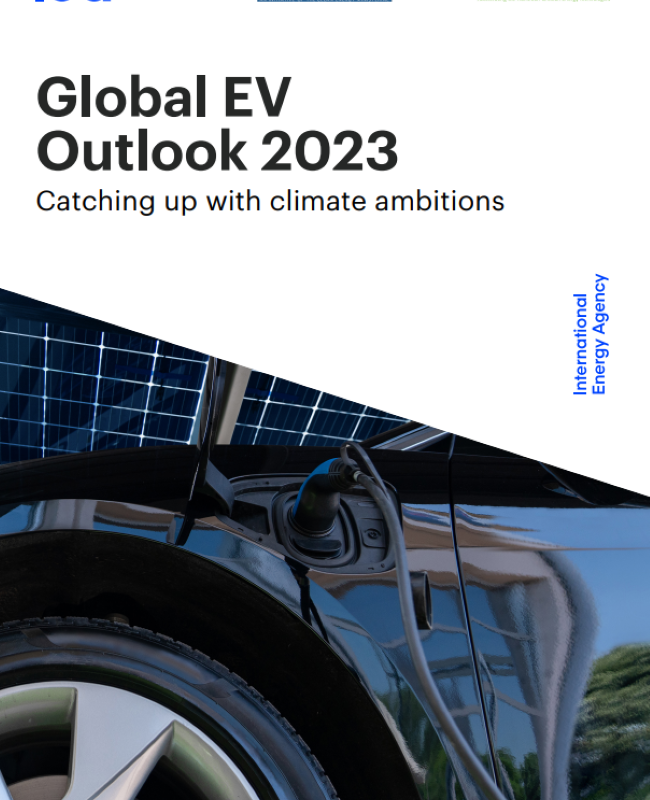
Global EV Outlook 2023

2023-07-05T16:53:45-04:00

Electric car markets are seeing exponential growth as sales exceeded 10 million in 2022. A total of 14% of all new cars sold were electric in 2022, up from around 9% in 2021 and less than 5% in 2020. Three markets dominated global sales. China was the frontrunner once again, accounting for around 60% of global electric car sales. More than half of the electric cars on roads worldwide are now in China and the country has already exceeded its 2025 target for new energy vehicle sales. In Europe, the second largest market, electric car sales increased by over 15% in 2022, meaning that more than one in every five cars sold was electric. Electric car sales in the United States – the third largest market –increased 55% in 2022, reaching a sales share of 8%.

Global EV Outlook 20232023-07-05T16:53:45-04:00

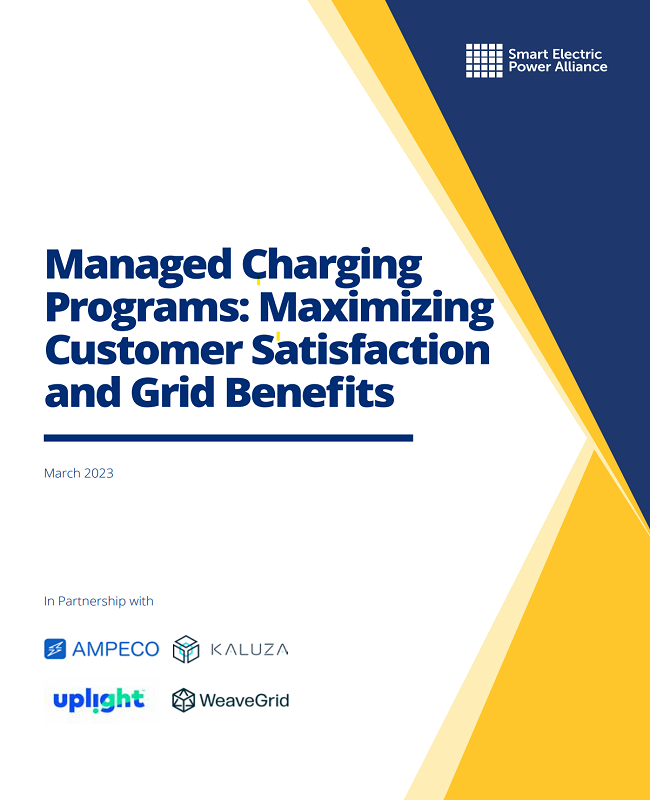
Managed Charging Programs: Maximizing Customer Satisfaction and Grid Benefits

2023-03-30T11:58:21-04:00

This research report conducted by the Smart Electric Power Alliance explores what success looks like for managed charging and load management programs and proposes strategies programs can use to increase customer engagement.

Managed Charging Programs: Maximizing Customer Satisfaction and Grid Benefits2023-03-30T11:58:21-04:00

Local Government Playbook: How Counties, Cities, and Towns Can Support EV Infrastructure and Leverage Federal Investments

2022-12-07T18:02:42-05:00

The Local Government Playbook provides recommendations for how counties, cities, and towns can utilize federal investments in EV infrastructure.

Local Government Playbook: How Counties, Cities, and Towns Can Support EV Infrastructure and Leverage Federal Investments2022-12-07T18:02:42-05:00

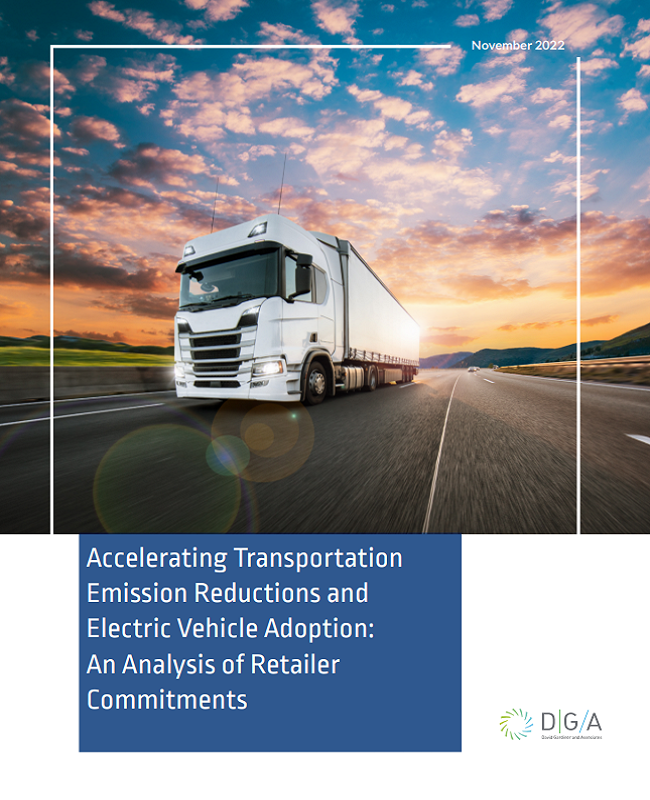
Accelerating Transportation Emission Reductions and Electric Vehicle Adoption: An Analysis of Retailer Commitments

2022-12-08T13:58:35-05:00

This Report summarizes major findings from data on the 149 retailers included in DGA’s Corporate Transportation Decarbonization Tracker, analyzes challenges to and opportunities for increased EV adoption, and highlights specific retailers’ bold commitments and innovative practices with regard to vehicle electrification, including initiatives related to EV chargers and medium- and heavy-duty electric vehicles (MHD EVs).

Accelerating Transportation Emission Reductions and Electric Vehicle Adoption: An Analysis of Retailer Commitments2022-12-08T13:58:35-05:00

Electric Highways: Accelerating and Optimizing Fast-Charging Deployment for Carbon-Free Transportation

2022-11-21T14:48:24-05:00

The Electric Highways Study — coauthored in partnership with transportation analytics organizations CALSTART, RMI, Geotab, and Stable Auto — forecasts the future of fast-charging along highway corridors in Massachusetts and New York, providing a first-of-its-kind blueprint for powering the EV transition in the U.S. Northeast to 2045.

Electric Highways: Accelerating and Optimizing Fast-Charging Deployment for Carbon-Free Transportation2022-11-21T14:48:24-05:00

Electric Vehicle Charging Infrastructure Trends from the Alternative Fueling Station Locator: First Quarter 2022

2022-11-16T13:52:40-05:00

This report provides a snapshot of the state of EV charging infrastructure in the United States in the first calendar quarter of 2022 (Q1 2022).

Electric Vehicle Charging Infrastructure Trends from the Alternative Fueling Station Locator: First Quarter 20222022-11-16T13:52:40-05:00

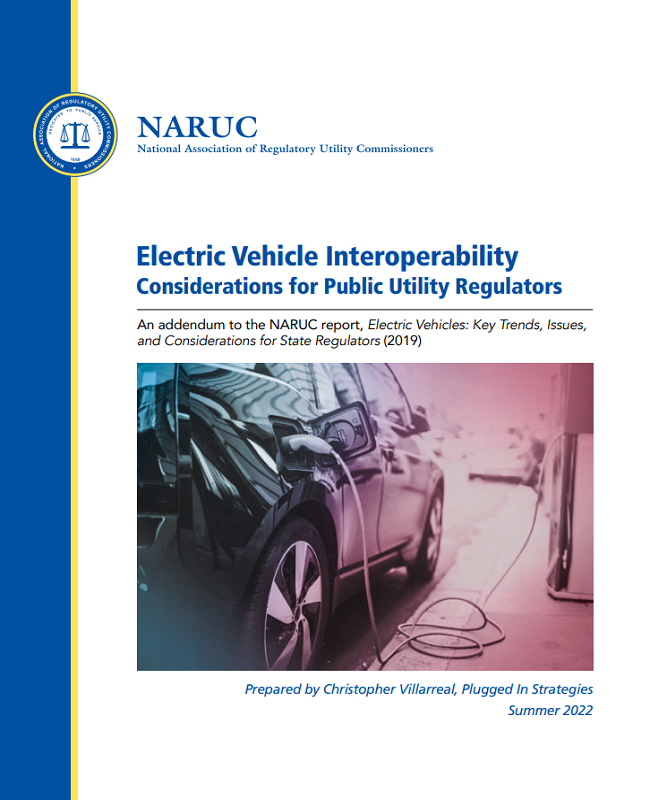
Electric Vehicle Interoperability Considerations for Public Utility Regulators

2022-12-16T13:28:36-05:00

This issue brief, published as an addendum to the 2019 NARUC report Electric Vehicles: Key Trends, Issues and Considerations for State Regulators, provides an overview of EV interoperability benefits and opportunities and a snapshot of recent state public utility commission actions to ensure interoperability in charging infrastructure.

Electric Vehicle Interoperability Considerations for Public Utility Regulators2022-12-16T13:28:36-05:00